
Blog
Hotel Photography After Renovation or Brand Refresh: A Visual Reset Playbook
March 9, 2026
TL;DR
- Post-renovation hotel photography should include more than guest rooms — reshoot public spaces, amenities, F&B outlets, exterior signage and updated branding elements to keep OTA and brand listings accurate.
- Schedule photography after renovations are fully complete and guest-ready, using a brand-approved shot list to meet corporate and OTA standards and reduce reshoots.
- Update virtual tours alongside still photography to reflect layout changes and maintain consistency across Google, brand websites and booking platforms.
- Standardized shot lists and coordinated workflows are essential for multi-property or phased renovation rollouts.
- A structured re-shoot plan protects your renovation investment by improving listing accuracy, accelerating approvals and strengthening booking confidence.
Renovating or rebranding a hotel updates the guest experience, but if your photography does not reflect those changes, your listings will not either. From online travel agencies (OTAs) to brand websites, outdated or partial imagery can create confusion and limit the impact of your investment.
Post-renovation hotel photography requires more than replacing a few room photos. It requires a structured visual reset that aligns with brand standards, captures every updated space and ensures consistency across still images, virtual tours and booking platforms. This playbook outlines what to re-shoot, when to schedule and how to manage the process effectively.
Why Renovations Require a Full Visual Reset (Not Just a Few New Room Photos)
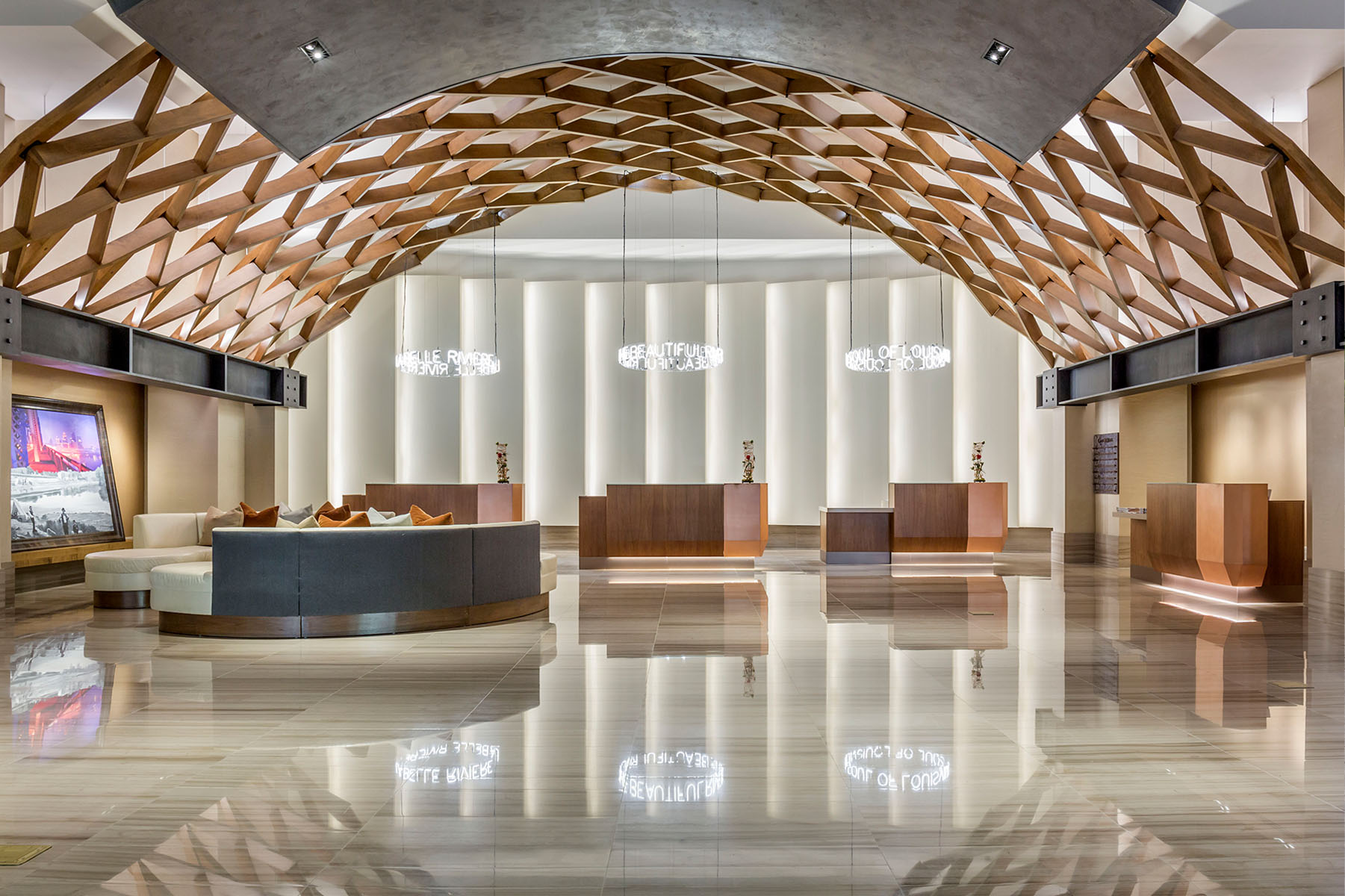
A renovation or rebrand is a chance to reset how your property shows up everywhere guests discover you. Updating only a handful of guest room photos while leaving older lobby, restaurant or exterior images in place creates visual inconsistency across your listing. When finishes, furnishings and branding elements don’t match from image to image, it introduces uncertainty. Guests may not know which version reflects the current experience.
OTAs and brand websites expect accurate, up-to-date imagery that represents the property as it exists today. Partial updates can create mismatched expectations, especially when renovated spaces are showcased alongside outdated public areas or pre-refresh branding.
Rebrands make alignment even more important. A new flag or brand refresh often brings updated composition guidelines, styling direction and visual tone. Imagery captured under previous standards may no longer support the property’s current positioning.
A full visual reset ensures that every photo supports the same message. It protects the renovation investment, supports brand compliance and helps maintain booking confidence across all platforms where the property appears.
Mismatched imagery creates mismatched guest expectations, which leads to negative reviews, brand QA issues and lost bookings. Treating your renovation as a full visual reset — not just a quick top-up of room photos — helps your marketing, brand team and on-property experience tell the same, consistent story.
What Typically Needs to Be Re-Shot After a Renovation
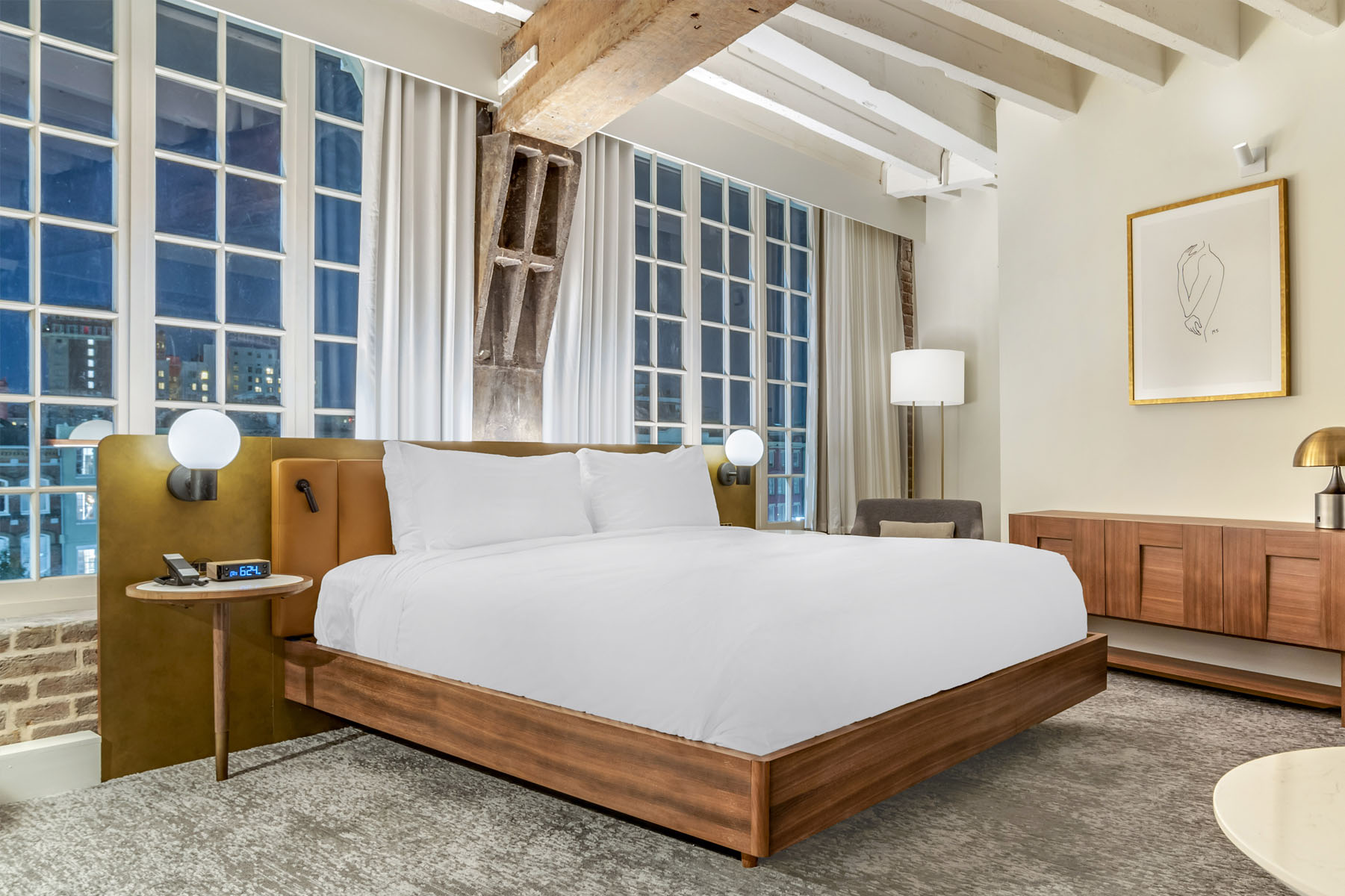
Most meaningful renovations affect more than guest rooms. A comprehensive re-shoot should cover every space where guests will notice visible changes. Below is a structured breakdown of what typically needs to be re-shot:
Guest Areas
- Guest rooms (all room types)
- Bathrooms
- Suites
Public Spaces
- Lobby
- Reception
- Lounge areas
- Meeting and event space
Amenities
- Fitness center
- Pool
- Spa
- Outdoor areas
Food & Beverage
- Restaurant interiors
- Bar
- Signature dishes (if aligned with brand standards)
Exterior & Arrival
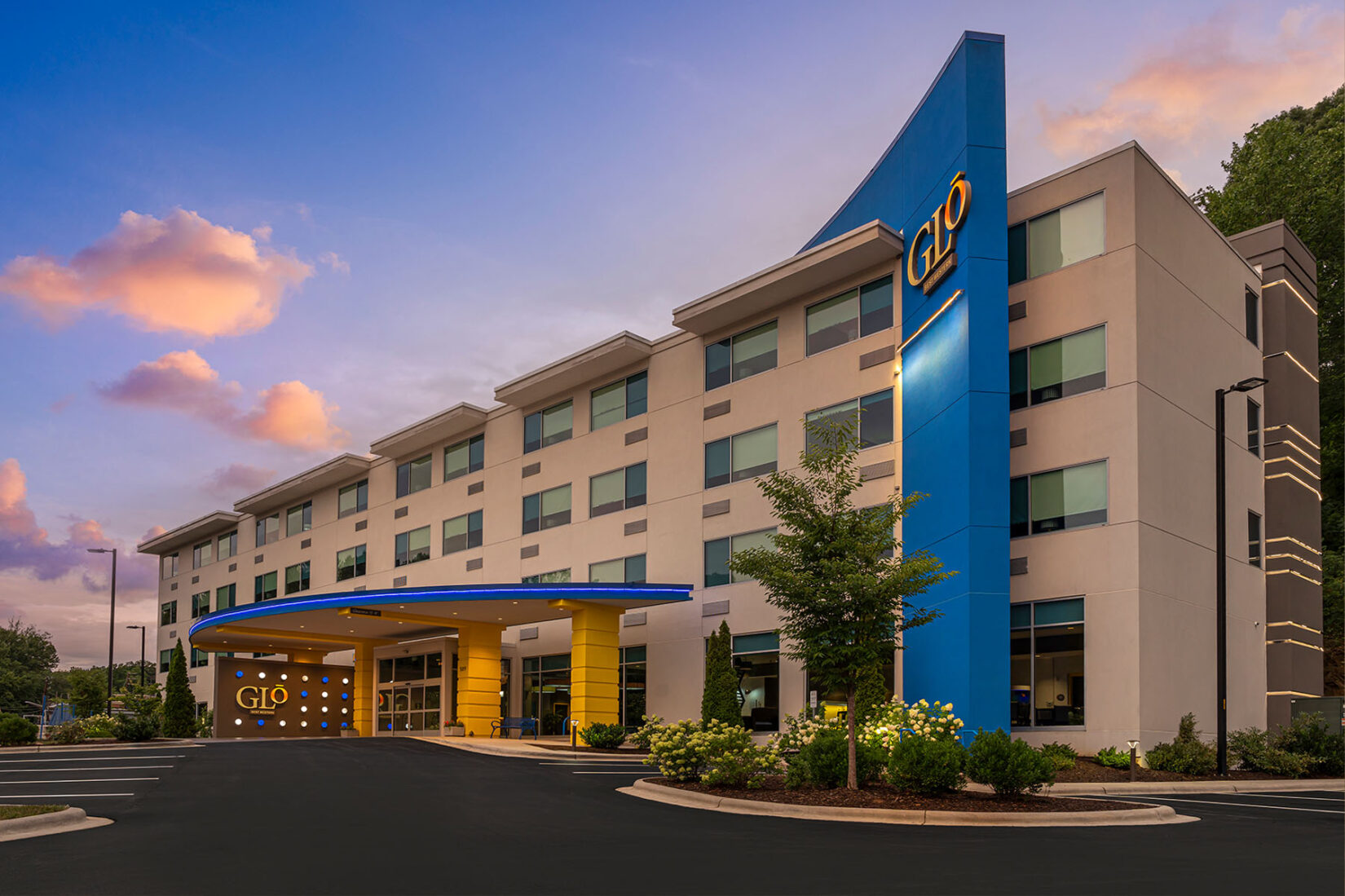
- Daytime exterior
- Twilight exterior
- Updated signage (critical after a rebrand)
Aerial (if layout changed)
- Drone imagery to reflect new additions, landscaping or expansions
When to Schedule Post-Renovation Hotel Photography
Timing determines whether your images are accurate and usable.
Schedule photography after FF&E (furniture, fixtures, and equipment) installation and final styling are complete. Shooting during the punch list phase, when adjustments are still being made, or items are missing, often results in incomplete galleries or unnecessary reshoots.
It’s also important to coordinate with brand QA timelines. Many hotel flags require updated imagery following renovations or rebrands, and aligning photography with those review windows helps avoid approval delays. Factoring in post-production time is equally important. Editing, exposure blending and final asset preparation should be completed before OTA and brand upload deadlines.
If you’re updating hotel virtual tours as part of the refresh, plan to capture them during the same week as still photography. This ensures consistent lighting, staging and overall presentation across both formats.
As a general guideline, hotel photography should be refreshed every 18 to 24 months — and immediately following any renovation, rebrand or significant update that changes the guest experience.
Readiness Checklist
Before scheduling your post-renovation hotel photography, confirm that:
- Landscaping is complete
- Signage is installed
- Model rooms are fully staged
- Brand collateral is in place
- Lighting has been finalized
When these elements are confirmed, your photography will accurately reflect the finished product, reducing revision cycles and helping your updated property launch smoothly across all platforms.
Aligning With Brand Standards After a Reflag or Brand Refresh
When a property undergoes a reflag or brand refresh, updated photography standards usually follow.
Major hotel brands maintain specific shot lists, composition guidelines and visual requirements that properties are expected to follow. These standards outline which spaces must be captured, how rooms should be framed and what elements should be emphasized. After a renovation or repositioning, those expectations often change to reflect the brand’s current identity.
A refresh may shift the overall tone of the imagery. For example, from traditional upscale to modern lifestyle, or from select service efficiency to full-service hospitality. Lighting style, amenity focus, staging details and even camera height can vary depending on the brand’s visual direction. Images captured under a previous flag or prior brand standards may no longer align with the updated positioning.
Working from an approved brand shot list helps streamline the process. It reduces revision cycles, minimizes the likelihood of rejected submissions and ensures required spaces are documented correctly the first time.
Clear alignment with brand standards also improves multi-channel usability. When photography meets corporate guidelines, those assets can be used confidently across brand websites, OTAs, property-level marketing and sales materials without additional edits or adjustments.
Photography should be planned alongside the reflag or brand refresh — not after it’s complete. Aligning with current visual standards helps ensure the updated property is represented accurately, consistently and in line with brand expectations from day one.
Why Virtual Tours Should Be Updated Alongside Photography
Still photography isn’t the only asset affected by a renovation. Virtual tours often become outdated even faster.
Because 360° tours capture full spatial context, even minor layout changes, new furnishings or updated finishes can make an existing tour inaccurate. Renovations frequently alter traffic flow, seating arrangements, meeting room configurations or amenity layouts. When those changes aren’t reflected in immersive media, guests may notice the discrepancy immediately.
Many Google listings and brand websites feature embedded virtual tours alongside photo galleries. If the still images show an updated lobby but the 360° tour reflects the previous design, the experience feels inconsistent. That disconnect can weaken the impact of the renovation and create uncertainty about what guests will actually encounter on the property.
Coordinating still photography and virtual tour capture at the same time ensures alignment across every visual touchpoint. Matching lighting, staging and styling creates a seamless presentation across OTAs, brand sites and your own website.
Synchronized updates also support measurable business goals. Accurate immersive media strengthens booking confidence, provides a valuable tool for group and event sales teams and can improve on-site engagement metrics by encouraging visitors to explore the property more deeply.
Managing Portfolio-Wide Renovation Re-Shoots
When renovations span multiple properties, photography needs to follow a coordinated plan. Phased upgrades, staggered timelines and evolving brand requirements make consistency essential across every location.
A scalable approach typically includes:
Standardized shot lists
Capturing the same core spaces at every property — guest rooms, public areas, amenities and exteriors — ensures uniform presentation across markets and booking platforms.
Consistent editing and visual style
Color balance, exposure, sky treatments and composition should feel cohesive from one hotel to the next, protecting brand integrity across the portfolio.
Centralized scheduling and coordination
Working with a single photography partner simplifies communication, timelines and asset management, reducing variability between locations.
For hotel groups with properties in multiple locations, partnering with a provider offering nationwide hotel photography services helps keep visuals consistent across the entire portfolio. When capture standards, editing workflows and delivery timelines are aligned, multi-property renovations can roll out efficiently, whether the update includes five hotels or fifty.
Post-Renovation Hotel Photography Checklist
A renovation isn’t fully complete until the visuals reflect it. Use this checklist to ensure your post-renovation hotel photography rollout is organized, accurate and aligned across all platforms.
Visual Reset Checklist
☐ Updated shot list aligned with brand standards
Confirm required spaces, compositions and brand guidelines before scheduling.
☐ All renovated spaces identified
Document every area impacted — guest rooms, public spaces, amenities and exterior updates.
☐ Exterior and signage confirmed
Ensure new façades, landscaping and updated branding elements are fully installed and ready to capture.
☐ Amenities verified
Confirm fitness centers, pools, meeting spaces and other features are complete and staged.
☐ Drone imagery evaluated
Determine whether aerial photography is needed to showcase layout changes, additions or landscaping improvements.
☐ Virtual tour scheduled
Plan immersive media capture alongside still photography to maintain consistency.
☐ OTA and brand upload timeline mapped
Allow time for editing and approvals before listing updates go live.
☐ Internal marketing materials updated
Ensure new imagery is reflected across your website, sales decks, group materials and social channels.
A structured checklist reduces missed spaces, revision cycles and upload delays, helping your renovation launch smoothly across every booking and marketing channel.
Frequently Asked Questions
How soon after a renovation should hotel photography be updated?
Photography should be updated as soon as renovations are complete and spaces are guest-ready. This ensures OTA listings and brand websites reflect the current on-property experience.
Do we need to re-shoot every space after a brand refresh?
If the refresh affects styling, signage, layout or overall positioning, most core spaces should be re-shot to maintain visual consistency across channels.
Should we update our virtual tour after a renovation?
Yes. Layout changes, new finishes or reconfigured amenities can make existing 360° tours outdated and misaligned with the current experience.
Can photography and virtual tours be scheduled together?
Yes. Capturing both at the same time ensures consistent lighting, staging and styling, while streamlining the overall rollout.
Protect Your Renovation Investment With Updated Photography
Renovations are capital investments. Updated photography ensures that investment translates into bookings. A structured visual reset, covering every renovated space, timed to renovation milestones and aligned with brand and OTA standards, reduces approval friction and protects brand integrity.
CS3 Photography is the preferred photography and videography agency for many of the world’s largest hospitality companies, including major hotel brands and multi-property ownership groups. With photographers in all 50 states, flat-rate pricing and the ability to coordinate multiple shoots simultaneously across the country, CS3 can support single-property re-shoots or portfolio-wide renovation rollouts, including still photography, drone imagery and 360° virtual tours.
If you’re planning a re-shoot after a renovation or rebrand, contact CS3 Photography to request a quote.