
Blog
Professional Hotel Photography: 10 Essentials for a Flawless Brand Photoshoot
April 22, 2026
Key Takeaways (TL;DR)
- Planning is what makes a hotel shoot work. Agreeing on the shot list, schedule and room access up front keeps shoot day off your team’s plate.
- Lighting makes or breaks the final image. Rooms need to look bright and inviting without looking staged.
- Lifestyle imagery adds impact. Photos of people enjoying the setting often create a stronger emotional connection than empty interiors alone.
- Consistency across properties builds trust. When your visuals match, your brand is easier to recognize.
- Great hotel brand photography should work hard everywhere. The best images can be repurposed across websites, social media and broader marketing campaigns.
Hotel photography does a lot of heavy lifting for hospitality brands. Long before a guest arrives, your images shape expectations by showing the quality of the rooms, the property’s atmosphere and the overall experience your brand promises. That makes commercial hotel photography a practical marketing tool, not just a finishing touch.
When it comes to hotel photography for franchise properties, the stakes are even higher. The visuals need to represent the individual location while still aligning with the broader brand standard. Done well, those photographs reinforce the brand and give potential guests a clearer sense of what to expect.
1. A Defined Visual Identity
Your hotel photoshoot should always reflect your brand. For franchises, every image needs to match the larger brand identity. When your photography lines up with your brand standards, your visuals look unified across every location.
Set the visual direction before shoot day. A pre-production call helps your team agree on mood, styling and brand priorities, so your photo library looks intentional.
2. The Comprehensive Shot List
A clear shot list keeps the shoot on track. Without it, you risk missing important spaces or over-shooting others.
Plan what needs to be photographed before the crew arrives. Typical shot lists include:
- Arrival moments like the exterior, entrance and lobby.
- Key revenue areas such as guest rooms and suites.
- On-property amenities like pools, fitness areas, restaurants or meeting spaces.
- Detail shots that show finishes or amenities.
A clear list keeps the shoot moving and helps the crew use access windows efficiently. For multi-property brands, using the same list at every location helps your property visuals look cohesive from one location to the next.
3. Lighting That Looks True to the Room
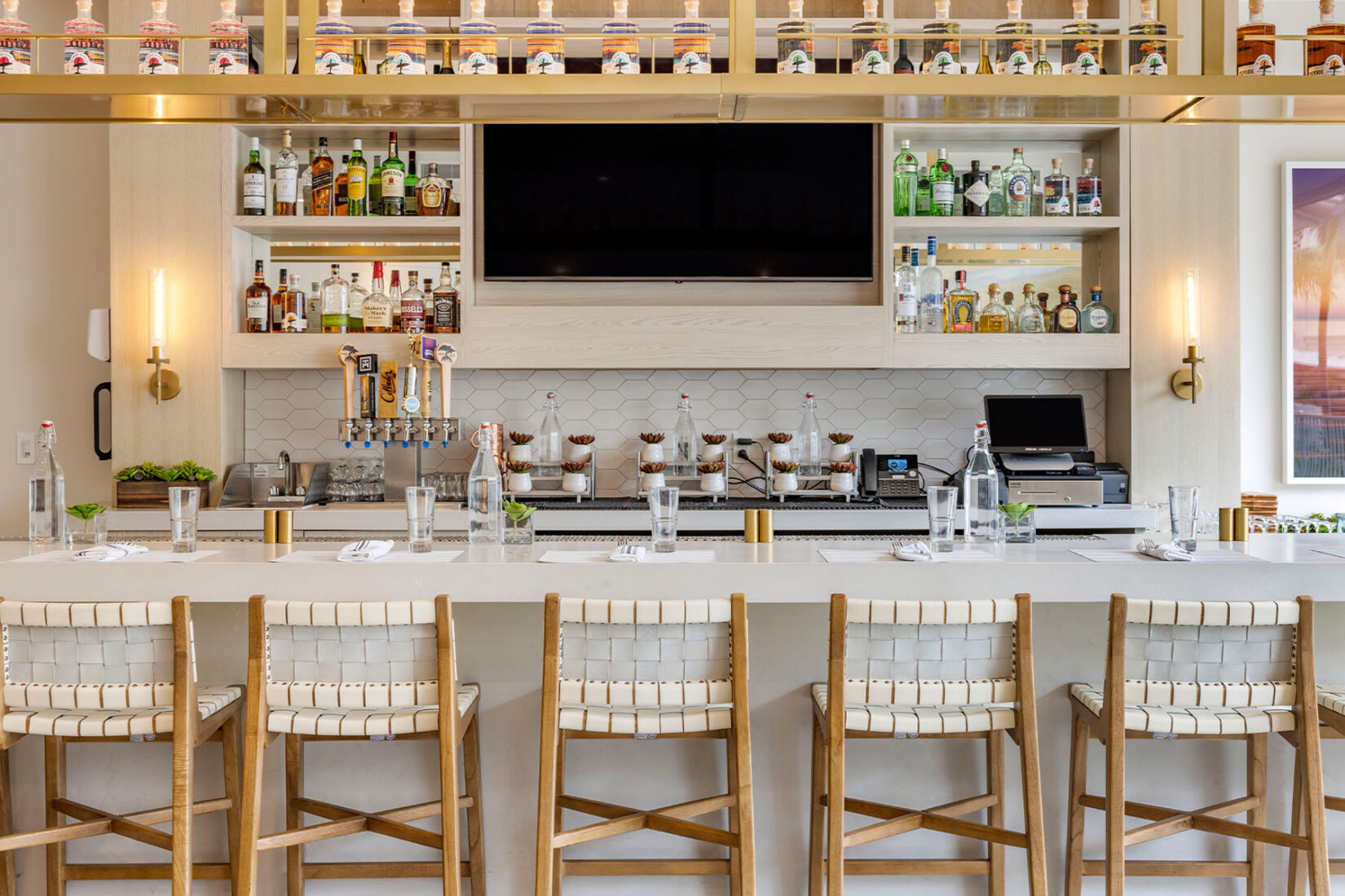
Hotel rooms are harder to light than they look. A bright window on one wall and a dark corner on the other put both extremes in the same frame, and lamps, daylight and overhead fixtures rarely share the same color.
Handled badly, it shows. Windows blow out to white, warm lamps turn the room yellow and the space photographs as something a guest won’t recognize when they walk in.
Natural light does most of the work. It keeps a room feeling soft and believable, though it moves quickly and doesn’t reach every corner evenly. Artificial light fills the shadows and holds detail where daylight falls away. Blending the two keeps a room looking like itself.
That accuracy is the point. Guests book from these photos, and the room they arrive to should be the room they chose.
4. Staged and Styled Rooms
A room that looks fine in person can look messy on camera. Small things like wrinkled bedding or crooked lamps stand out more in photos, pulling attention away from the broader space.
A few things your team can handle before the crew arrives:
- Pull bedding tight so it photographs cleanly.
- Remove unnecessary items from nightstands, desks and dressers.
- Straighten décor, curtains and furniture lines.
- Adjust anything that feels visually heavy or distracting.
Those small details help the room feel welcoming and guest-ready. For a fuller pre-shoot checklist, see our hotel photography tips.
5. Lifestyle Images That Show the Stay
Lifestyle images show what a room feels like to be in. They bridge the gap between showing the place and showing the experience of being there.
When guests are photographed using the property in natural ways, the imagery becomes more persuasive. A traveler enjoying coffee on a balcony or a group gathering in a lounge gives context that an empty room can’t. It makes the setting feel active and connected to a real experience.
This imagery is especially valuable for hospitality brands because it helps potential guests picture themselves in the moment. Instead of simply seeing the amenities, they start imagining the stay.
6. A Schedule That Works Around the Hotel
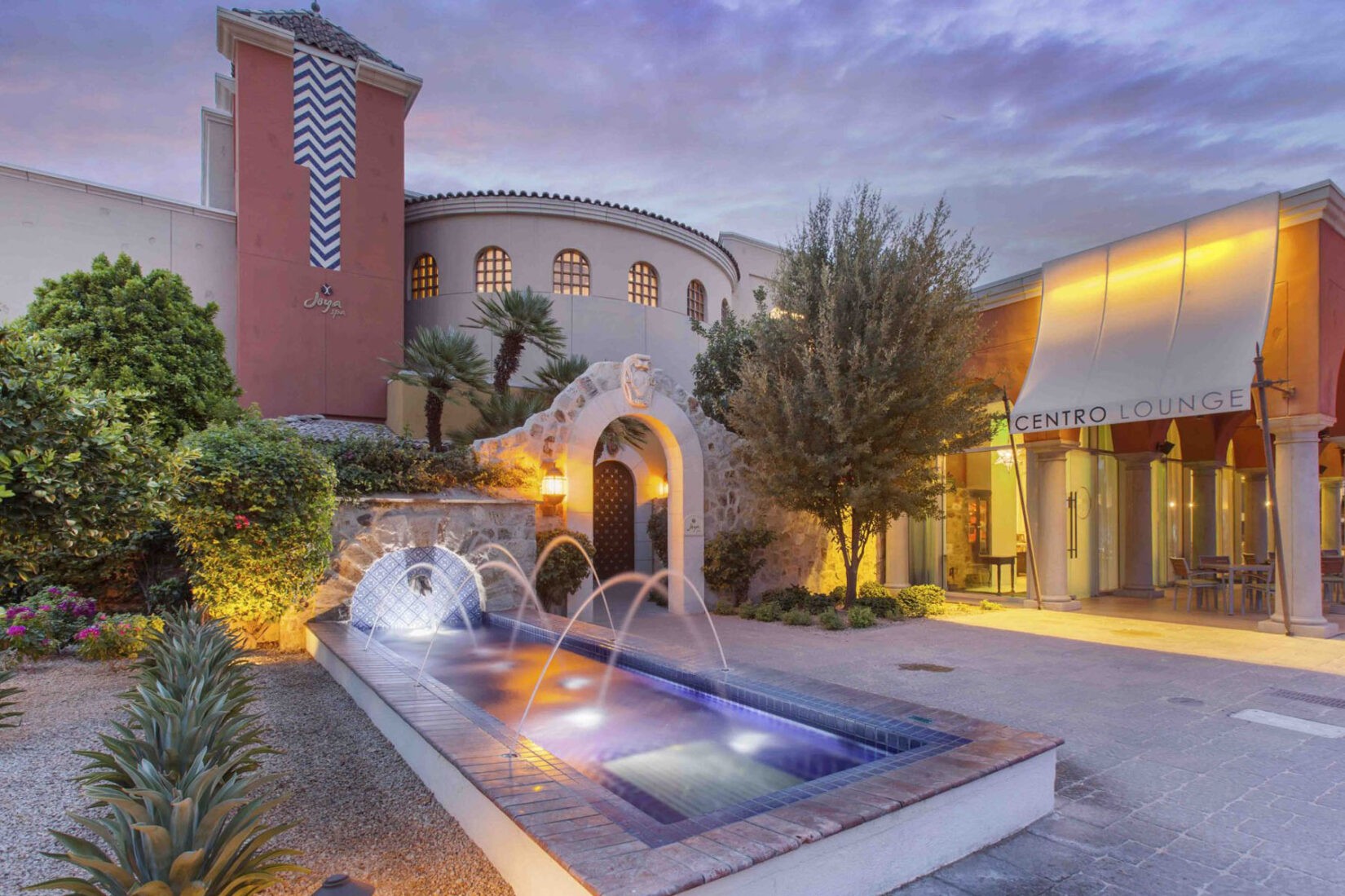
Timing can make a noticeable difference in how a hotel photographs. One of the most useful windows is golden hour, the short period just after sunrise or before sunset when natural light is softer, warmer and more flattering. For exterior shots in particular, that light can help the property feel more dimensional and inviting.
Scheduling also has to work around the reality of hotel operations. A well-planned shoot schedule should account for how the property functions day to day so the crew can work with as little disruption as possible.
A few scheduling priorities often make the day run more smoothly:
- Plan the main exterior shots around golden hour when possible.
- Photograph guest rooms when they are fully cleaned and available.
- Capture shared spaces during quieter windows.
- Coordinate with on-site staff so the crew doesn’t interfere with service.
When the timing is right, the crew gets better images and the property avoids unnecessary friction during the shoot. Across several properties, the schedule has to account for travel between them as well as the rhythm of each hotel.
7. An Experienced Hotel Photography Specialist
Experience turns a difficult room into a straightforward one. A hotel photography specialist walks into a guest room already knowing where the camera goes, which lamps to switch off and which corner will cause trouble, and arrives with the wide-angle lenses, tripods and controlled lighting that room will need. That judgment comes from volume.
CS3 has photographed more than 15,000 hotels since 2014 and is an approved photography vendor for some of the world’s leading hotel brands. That repetition is why a shoot runs to schedule and why the images hold up across a portfolio.
For a franchise property, the approval is the part that saves time. Brands set their own standards for how rooms, amenities and exteriors are photographed, and a vendor who already works to those standards isn’t learning them on your shoot. The set comes back ready to publish.
8. Professional Post-Production
A raw image is only the starting point. Post-production is where the final look comes together and the photos begin to feel like part of a brand rather than just a collection of shots.
By the time the images reach you, editing has:
- Balanced exposure so rooms look bright and natural, with details clearly visible.
- Corrected color so the environment looks accurate and cohesive.
- Minimized distractions that pull attention away from the room.
- Created a more unified look across the full image set.
Good editing doesn’t try to reinvent the property. It refines what is already there. The best post-production work helps a hotel look polished and on-brand without making the imagery feel artificial.
9. Channel-Ready Files
How the files arrive decides how much work is left to do. Images should come edited and organized by space and by where they will be used, so the set is ready to publish the day it lands.
A single shoot should deliver files ready for:
- OTAs and booking platforms
- Website pages and landing pages
- Google listings
- Social media posts and campaign creative
- Email marketing and promotional materials
- Digital ads, brochures and sales collateral
That organization makes a shoot go further. When images are captured and delivered with several uses in mind, one set keeps working long after the shoot is over.
10. Consistency Across Properties
For hotel franchises, cohesion matters beyond aesthetics. When every property is photographed with a similar visual standard, the brand feels more trustworthy and recognizable from one location to the next.
That doesn’t mean every hotel should look identical. Each property can still highlight its own character. What should stay unified is the overall approach: how the lighting feels, how rooms are styled, how settings are framed and how the final images are edited.
When visuals are aligned across websites, listings and marketing materials, guests get a clearer sense of the brand as a whole. That familiarity helps build confidence before they ever book a stay. If you manage more than one property, see our guide to scalable hotel photography for multi-property brands.
Ready to Transform Your Hotel’s Image?
Professional hotel photography works best when it’s approached as part of a larger brand strategy. The right images do more than highlight a property. They influence how the brand is perceived and give potential guests a clearer reason to book.
If your team is planning a new shoot or looking to refresh existing brand imagery, CS3 Photography can help. CS3 offers nationwide hotel photography services, helping hospitality brands plan and execute shoots anywhere in the country. View our recent hospitality work or contact CS3 Photography to start planning your next project.